06/06/10 Luke 15:1-2, 11-32;
God speaks to us: Coming Home
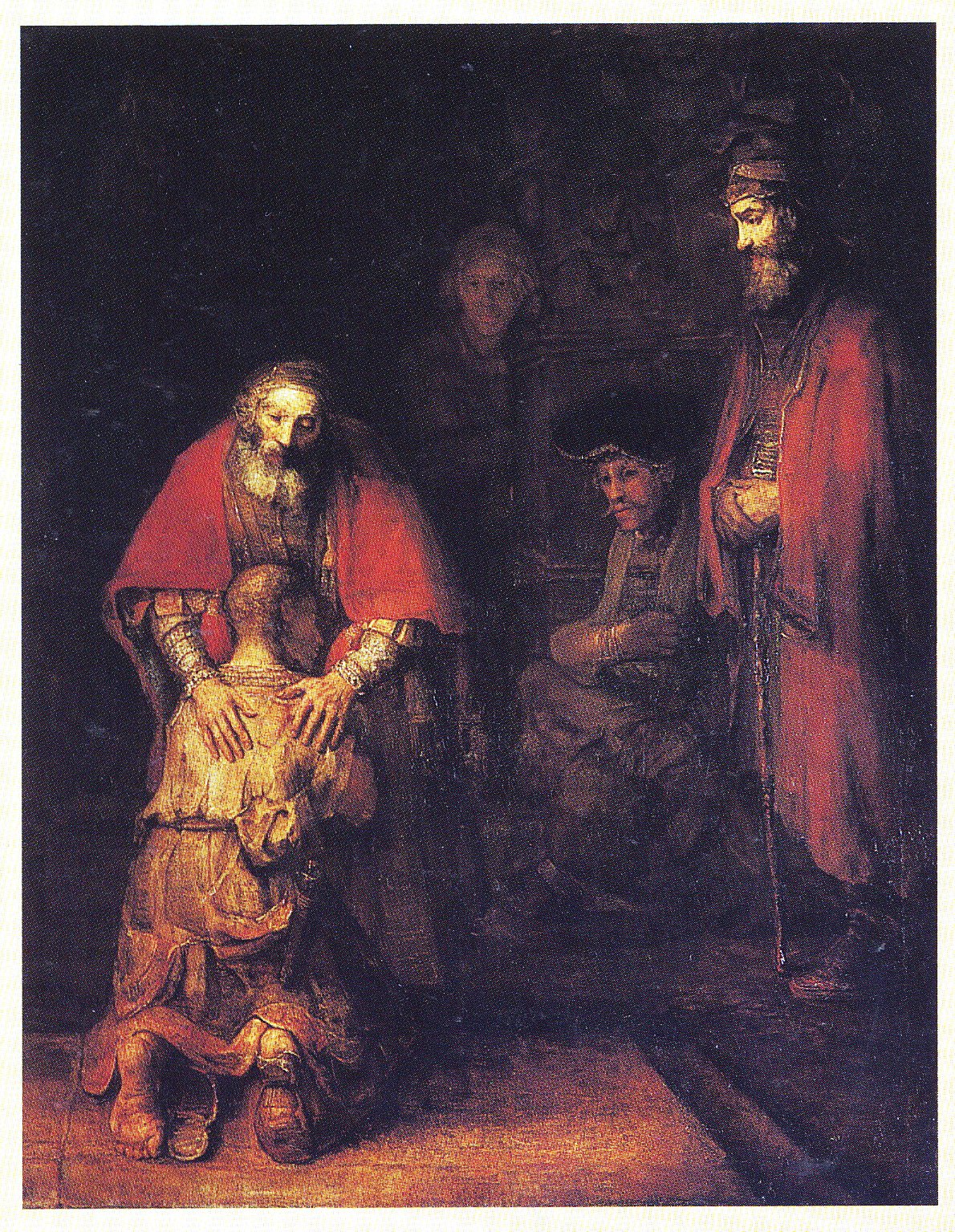
INTRODUCTION: We need to keep in mind that while the parable of the Prodigal Son is about God’s grace as well as repentance and salvation, Jesus tells this parable and the two before it; The lost sheep, and the Lost coin in reaction to the criticism of the Pharisees. It is a familiar criticism “this man welcomes sinners and eats with them” The issue is that Jesus’ acceptance of the lost and down and outers is interpreted as accepting sin and tolerating decadent behavior. Some people interpret our church that way not only this church but church plants in general because we reach out to the hurting, to the broken, to the sinner, and it is seen as tolerating brokenness and sinfulness. I go on record today to say that we are against sin, sin is awful as we will find out in this parable but the church is not only against sin the church needs to help the sinner, and that is all of us, to move closer to Jesus so that sin can be overcome in our lives. Amen. It is for that perception of tolerating sin that Jesus tells these parables. The parable we read this morning is the most extensive of the three. God’s grace, man’s repentance, and God’s forgiveness is included as well as self righteousness and condemnations and lack of forgiveness. The highlight of the parable is the Father’s love; God’s grace, forgiveness, and God’s sacrifice in Jesus to bring us back to him. That sacrifice is what we celebrate every time we have communion.
I. The son that went missing.
A. Impatient, Temptation
We see that the younger son is impatient, he knows it all and he wants out of his father’s household. He thinks he is entitled to his inheritance early. Right now the freedom he wants is only a temptation it is not sin yet.
B. Impulsive, Giving in to temptation
Why didn’t the father refuse to give the money to him? God created us with freewill, he does not force his love on us, we can choose to love Jesus or not. The father gives him the money. The son impulsively moves far away to be free from the restraints of his family. He is not sinning yet but he has set himself up to fall. What you think about a lot is where you go. You are what you think about.
C. Inappropriate, sin takes over
Sin began as a seed in his mind, he did nothing to move it out of his mind and it grew until he is in a position to fall The results are predictable. You separate yourself from the people who love you. You refuse to take advice, you think you know better than everyone around you and Satan has set you up to fail.
II. Falling and repenting.
A. Sin comes full circle
That is what happens, sin comes full circle now, it is not a temptation; he gives in and he starts to live a wicked life, and foolishly wastes his money until he is broke. Sin does that, it takes over the decision making process and people start to make bad decisions.
B. God intervenes; He comes to his senses
As he is running out of money God intervenes and sends a famine into this area. Now he is broke and he is hungry, even if he had money food was not available. He starts to herd pigs, an awful thing for Jews and would never do if not for his need. Sin does that – people do things they would never do. He is at his wits end and turns to God; I have sinned against God and my father. Sometimes we have to come to a low spot in our lives before we allow God to take over again. The son now is able to make a responsible decision; he decides to go home, back to his father.
III. The Father
A. Looking for signs of his son, his children.
The father for his part walks out to the hill every day to see if his son is coming home. God is like that, he is patiently waiting for the people of the world to return to him. They are his people. Yet it is not a passive waiting, the Holy Spirit works in people’s lives, God intervenes into our lives, sometimes with difficult situations so that we turn our attention to him. Further, God gave himself in Jesus Christ so that we have a basis for returning to him.
B. He is ready to forgive, and rejoice.
When we come back to God or come to him for the first time the father is ready to forgive. It does not depend on our efforts. Before the son was able to say a word the Father had him in an embrace that he was never going to release again. The father accepts him back with no questions about his sin; the son had repented in his heart. God knows our hearts and forgives, never bringing up sins we committed again. They are gone, we are washed clean. The Father says restore my son to our household, “He was lost and now is found, he was dead and now is alive” All we need to do is turn back to God with a contrite and broken heart, have the desire to depend on him and to be close to him. That is enough! Praise the Lord! Are you living a lost life, pretending to be close to God but far away from him in your heart? Turn to him today! He accepts all who turn to him.
The older son is someone we as Christians, easily identify with. We stayed close to God; we did not leave his people for the world. We did not live a lost lifestyle that jeopardized our health, our souls and our minds. We should be upset with those who leave the church for the world and with those who refuse to go to church and serve God with their lives but that is not what we are talking about. Jesus told this parable because he was criticized for acting like the father in this parable; the father has the attitude of Jesus.
IV. The older son.
- A. Anger, lack of forgiveness
So what is the problem with the older son that seemed to have done everything right? 1. He was angry not so much at his brother but at the father for taking his younger brother back. He lacked forgiveness; he was not willing to forgive his brother even though his father had forgiven him.
2. He was jealous, “you never gave me a party like this and I’ve been faithful to you”, he tells his father. “But you are always with me and everything I have is yours” His father responds. Your brother is found, and is alive, we have to celebrate.
B. Refused to enter the feast
The older son refuses to participate in the joyous reunion of father and son. He is suffering from selfish righteousness. The parable does not tell us the older brother repented and went into the feast. We are left with the impression that he did not. What Jesus is doing is equating the attitude of the older brother with the Pharisees and comparing that with the attitude of the father.
C. The attitude of the father
The attitude of non condemnation, a high concern for the lost and willing to associate with them in order to bring them closer to God and away from sin is the attitude of Jesus. And the purpose of this parable is for us to choose between the father and the older son. How are you going to live your Christian life? I encourage you as your former pastor to take on the attitude of Jesus, and do it on Sundays and every day of your lives.
There is great rejoicing in heaven when only one person is brought back from being lost and from being spiritually dead. Take on the attitude of Jesus and you will have life!
 Heavenhigh